
Customs
IOR or EOR: which one does your project actually need?
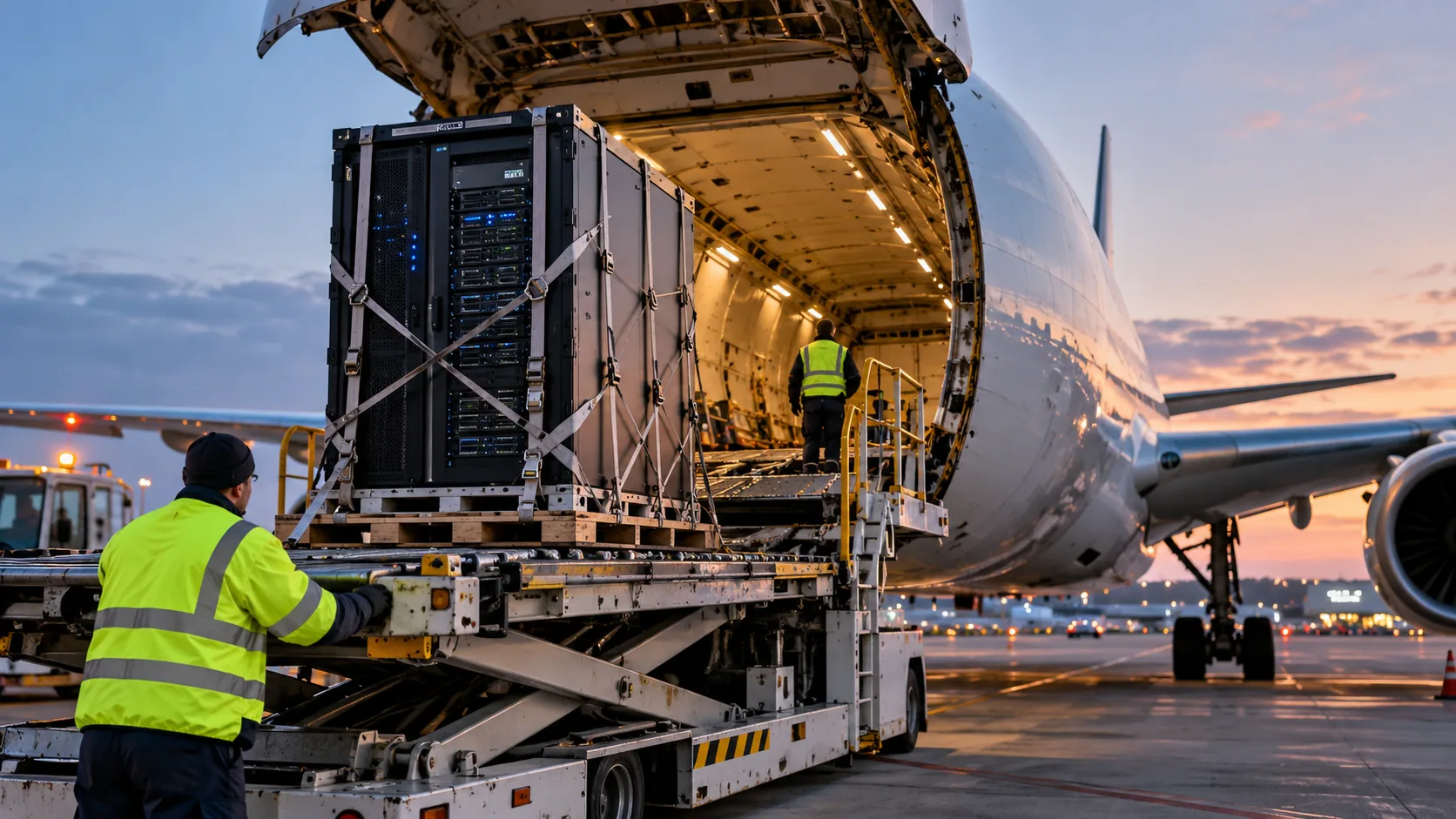
Digital Freight’s MD Karl Coulson explains how its EOR (Exporter of Record) and IOR (Importer of Record) services are proving invaluable to IT, telecoms and medical device companies.
In the world of international trade, as businesses expand across borders, managing the legal and logistical requirements of shipping goods becomes increasingly complex. This is where Digital Freight’s EOR and IOR services come in, ensuring smooth, compliant and efficient cross-border operations.
Typical use cases include:
- Technology companies shipping IT equipment globally
- Telecommunications providers deploying network hardware in multiple countries
- Medical device manufacturers sending diagnostic equipment internationally
What is an Importer of Record (IOR)?
The Importer of Record is the entity legally responsible for ensuring that imported goods comply with the laws and regulations of the destination country. This includes:
- Filing import declarations and documentation
- Paying duties, tariffs and taxes
- Ensuring compliance with local import laws and regulations
- Maintaining records as required by local customs authorities
The IOR is accountable for the goods from the moment they arrive at the border until they are legally cleared for entry. Many companies, especially those without a legal presence in the importing country, rely on a third-party IOR service provider. Digital Freight handles the complex paperwork, compliance issues and customs interactions on behalf of the business, allowing seamless importation without setting up a local entity.
What is an Exporter of Record (EOR)?
The Exporter of Record is the entity responsible for ensuring that goods leaving a country are exported in full compliance with local laws and export control regulations. Key EOR responsibilities include:
- Preparing export documentation and declarations
- Obtaining export licences or permits, when required
- Ensuring the goods are allowed to leave the country legally
- Maintaining export records for auditing and compliance purposes
Companies often need an EOR when exporting goods from countries where they do not have a registered local entity, or when dealing with sensitive products (such as software or electronics) that require special export permissions. EOR services ensure all export obligations are met before the shipment leaves the origin country, protecting the business from penalties, shipment delays, or even seizure of goods.
The benefits of using Digital Freight’s EOR and IOR services
Partnering with a trusted EOR/IOR provider offers several strategic advantages:
- Regulatory compliance: ensures adherence to international trade laws, minimising risk
- Simplified global expansion: enables companies to operate in multiple markets without setting up local legal entities
- Reduced administration: outsources complex documentation and customs processes
- Faster shipments: avoids delays caused by incorrect paperwork or compliance issues
- Cost efficiency: saves time and resources compared to establishing subsidiaries or navigating complex local regulations alone
In summary
Whether you’re exporting IT hardware from the US or importing components into the EU or Asia, understanding and managing compliance obligations is crucial. EOR and IOR services bridge the gap between your global ambitions and the realities of international trade law, helping companies expand seamlessly, efficiently and legally.
With Digital Freight as your reliable EOR/IOR partner, businesses can focus on what they do best (growing their markets) while leaving the complexities of global logistics and compliance in our expert hands.
Check whether your route needs an IOR or EOR
Tell us the lane and the equipment. We'll tell you what's needed.